Farmers across the Monadnock region are adapting to a changing climate and finding real solutions along the way. Here's what that looks like in practice.
Growing Solutions to Climate Change
From soil health to energy production, Monadnock farmers are integrating regenerative practices to build resilience. Some examples:
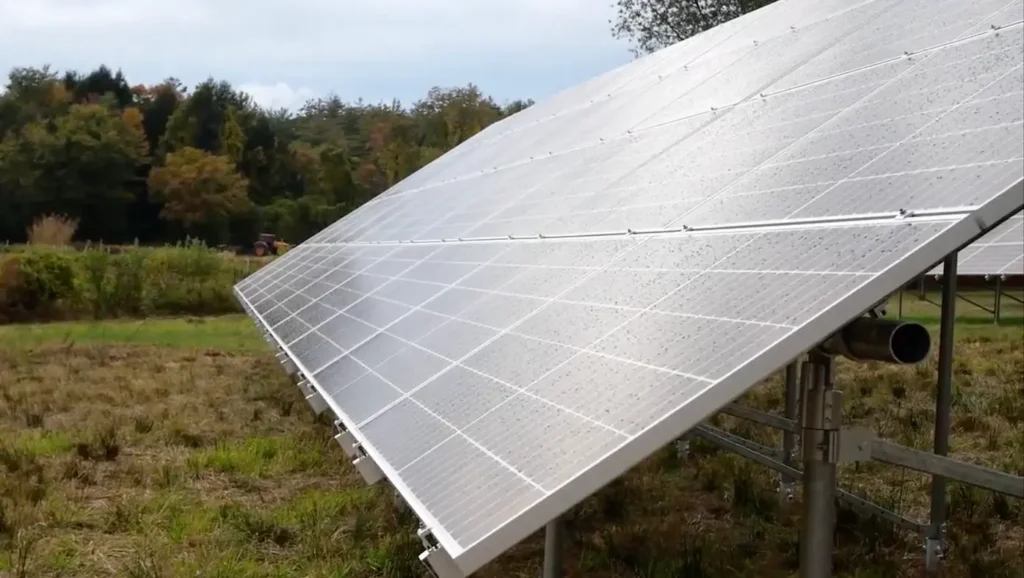
Agrivoltaics
Solar panels installed on farmland allow farmers to harvest clean energy while keeping the land in production. This dual use of land supports both financial resilience and reduced carbon emissions.
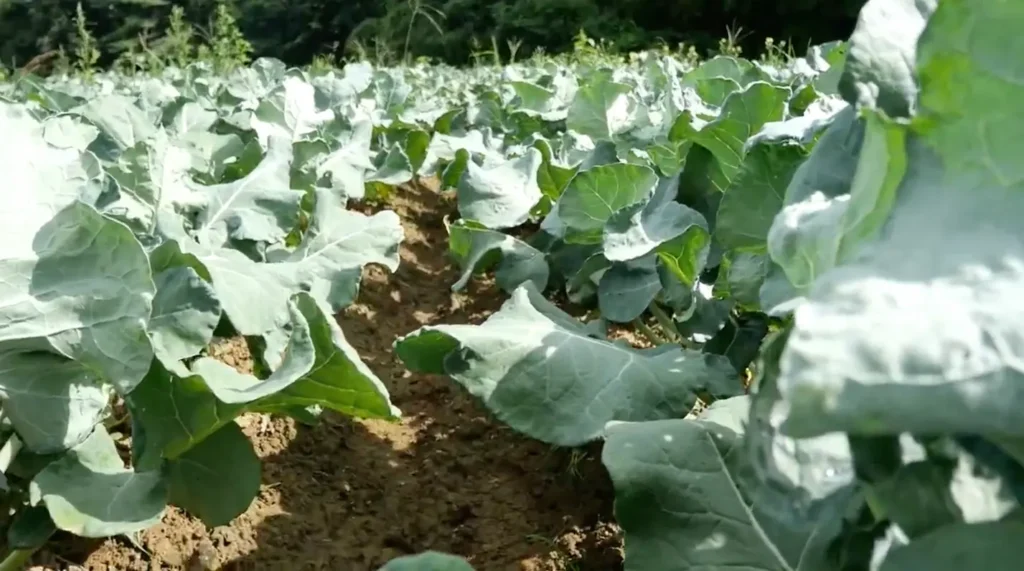
No-till and Cover Cropping
By minimizing soil disturbance and planting cover crops between seasons, farmers improve soil health, reduce erosion, retain moisture, and sequester carbon over time.
Pasture Rotation
Rotating crops and livestock across pastures gives the land time to rest and regenerate. The result is healthier soil, better yields, and a more balanced ecosystem.
Water Management
As rainfall becomes more unpredictable, farmers are adapting their irrigation and drainage systems to manage both drought and flooding, protecting crops and conserving water.
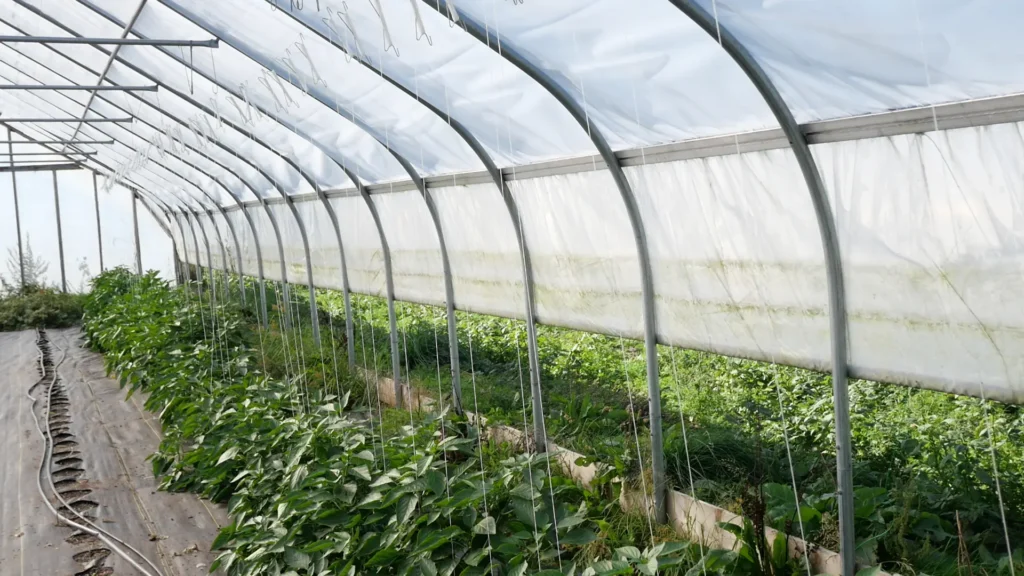
High Tunnels
Covered growing structures extend the growing season and protect crops from extreme weather, giving farmers more stability and a longer window to sell at market.
Reports
Climate-Smart Agriculture Report for NH
Produced by the American Farmland Trust. A snapshot of potentially achievable greenhouse gas reductions in New Hampshire.